

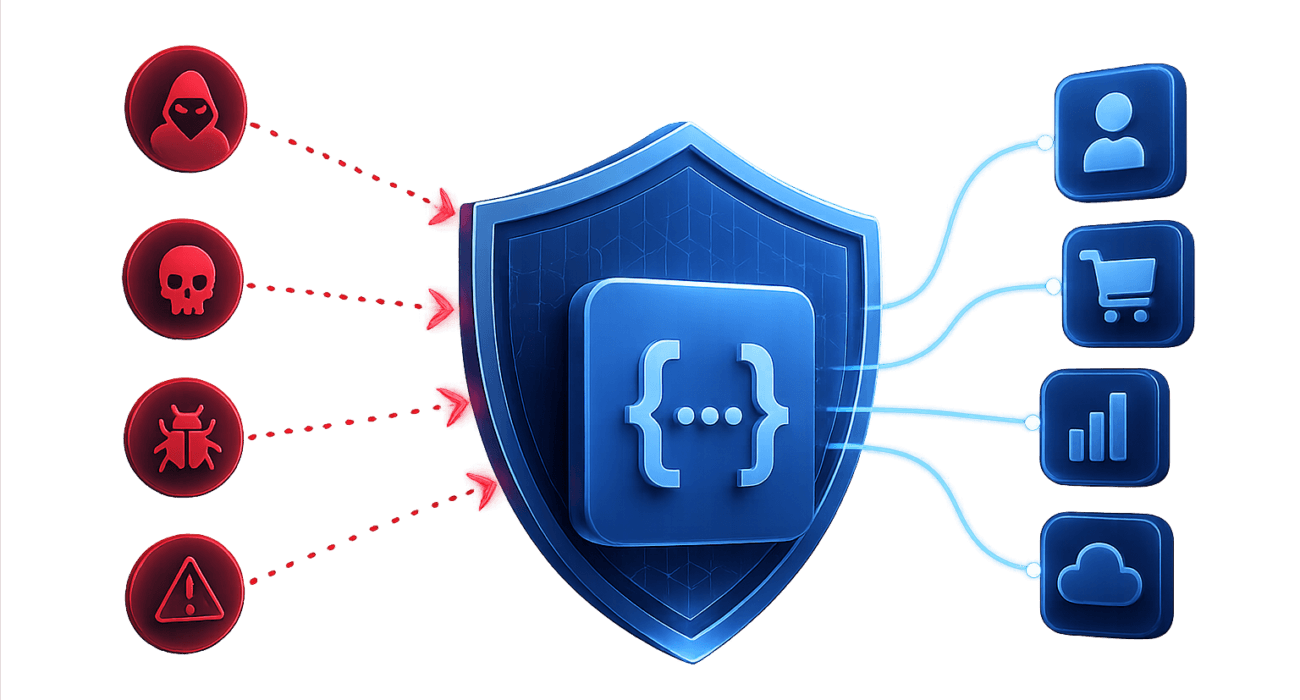
Your firewalls are strong, your systems are patched — and one employee clicks a fake invoice link, and an attacker is inside. The uncomfortable truth is that people, not technology, are the most exploited entry point in most breaches. Phishing simulation training turns your weakest link into a human firewall — safely testing and teaching your team with realistic, harmless phishing exercises. Here’s how it works, why it’s effective, and what to look for.
Why phishing is still the #1 threat
Phishing works because it targets human psychology — urgency, authority, curiosity, fear — not code. A convincing email pretending to be from your CEO, your bank or a delivery service can bypass every technical control the moment someone clicks. Ransomware, business email compromise and credential theft overwhelmingly start with a phishing message. Training people to recognise and report these is one of the highest-return security investments you can make.
What is phishing simulation training?
Phishing simulation is a controlled programme where your organisation sends realistic but harmless fake phishing emails to employees, then measures who clicks, who enters credentials, and who reports it. Those who fall for a simulation receive immediate, supportive training — not punishment. Run regularly, it builds genuine instinct: employees learn to spot the red flags and report suspicious messages before they cause harm.
How a phishing simulation programme works
- Baseline: a first simulated campaign measures your starting click and report rates — the honest picture of your current risk.
- Realistic campaigns: varied, believable scenarios (invoices, password resets, HR notices) mirror the real threats your people face.
- Just-in-time training: anyone who clicks gets an immediate, bite-sized lesson on what they missed.
- Measure & repeat: track click rate, report rate and time-to-report over successive campaigns — and watch the numbers improve.
- Reinforce: pair simulations with broader security-awareness training for lasting culture change.
The metrics that matter
- Click rate — the share of employees who clicked. It should fall sharply over time.
- Report rate — the share who reported the phish. This should rise — a reporting culture is the real goal.
- Time to report — faster reporting means faster containment of a real attack.
- Repeat clickers — identifies who needs extra, targeted support.
Simulation vs a full social-engineering test
Phishing simulation focuses on training at scale across your whole workforce. When you need to test how far a determined attacker could actually get — combining phishing with other techniques against your people, process and technology — that’s a red team engagement. Many organisations use both: simulation to raise the baseline, red teaming to stress-test the defences.
What to look for in a provider
- Realistic, India-relevant scenarios — templates that match the threats your staff actually see.
- Positive, non-punitive training — fear-based programmes backfire; supportive ones build a reporting culture.
- Clear reporting — management dashboards showing progress over time.
- Integration with awareness training — simulation plus education, not one-off tests.
- Compliance alignment — awareness training supports ISO 27001, RBI, SEBI and DPDPA expectations.
Frequently asked questions
How often should we run phishing simulations?
Regularly — monthly or quarterly campaigns work far better than a single annual test. Consistency is what builds instinct.
Will this embarrass or punish employees?
It shouldn’t. The goal is learning, not blame. Effective programmes are supportive and confidential, turning mistakes into teachable moments.
Does phishing training help with compliance?
Yes. Security-awareness and phishing training support the “people” controls expected under ISO 27001 and India’s RBI, SEBI and DPDPA frameworks.
Is simulation enough on its own?
It’s a powerful layer, but strongest alongside awareness training and technical controls. Security is people, process and technology together.
Build a human firewall with Selkey
Selkey Cyber Security runs phishing simulation and security-awareness programmes that measurably reduce human risk — realistic campaigns, supportive training, and clear reporting on your progress. Our team holds credentials including OSCP, CEH Master and CPENT.
Explore Selkey’s phishing simulation service or talk to us about employee security training →