Building Scalable Software for the Cloud Era

Turn Ideas into Scalable, Secure SaaS Platforms

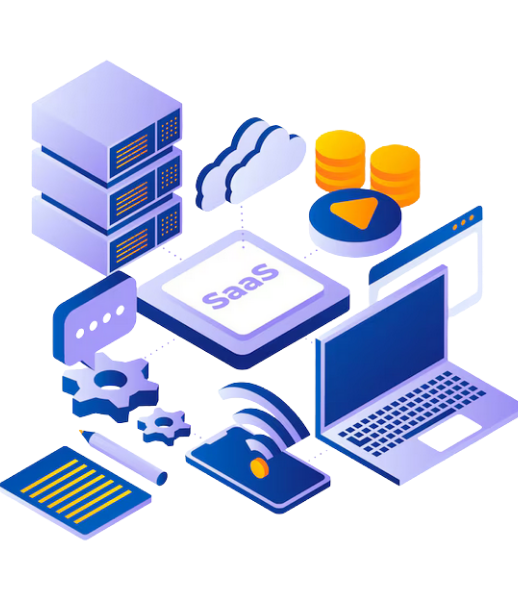
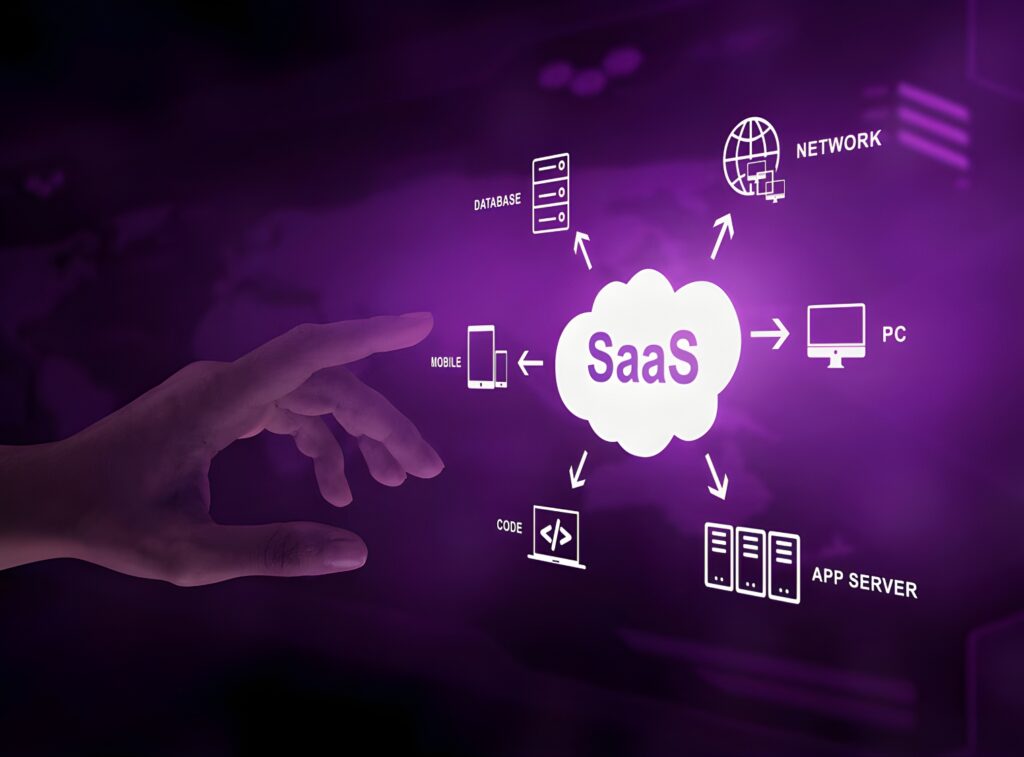
The introduction of SaaS (Software as a Service) has completely changed how individuals and organizations access and use software. Users increasingly connect to cloud-hosted platforms that provide robust functionality, ongoing upgrades, and seamless scalability all through a subscription model instead of installing apps on local devices.
Benefits of SaaS for Businesses

1
Reduced upfront costs and maintenance overhead
2
Faster time to market
3
Cross-platform accessibility
4
Seamless updates and improvements
5
Data-driven decision-making via usage analytics

Key Components of SaaS Development

Multi-Tenancy Architecture
A single instance of the application serves multiple customers (tenants), optimizing resource usage while maintaining data isolation and security.
Scalability
SaaS apps must dynamically scale to accommodate varying levels of usage, often using technologies like Kubernetes, containerization, and auto-scaling cloud infrastructure.
Security & Compliance
With centralized data storage comes greater responsibility. SaaS solutions must implement strict authentication, encryption, and compliance practices (e.g., GDPR, SOC 2, HIPAA).
Continuous Delivery
SaaS applications are continuously improved and updated, with minimal to no downtime, using CI/CD pipelines and robust version control.

SaaS Development Lifecycle

1
Ideation & Market Research
2
UI/UX Design
3
Architecture & Infrastructure Planning
4
Agile Development
5
Testing & Quality Assurance
6
Deployment & Monitoring
7
Customer Support & Iterative Improvements

Secure, Scalable SaaS - From Concept to Launch

With adaptable subscription models, SaaS (Software as a Service) development enables companies to offer cloud-based applications. SaaS solutions are built for performance, efficiency, and ongoing expansion from the very beginning to the point of deployment.

Get Started Today