

OS Network Hardening

Securing the First Line of Defense

One essential element of cybersecurity is operating system (OS) network hardening. It entails setting up the operating system to lessen its susceptibility to network-based assaults by turning down unused services, protecting network protocols, and implementing stringent access control guidelines. A properly hardened operating system offers a robust basis for system security in the face of increasingly complex cyberthreats.
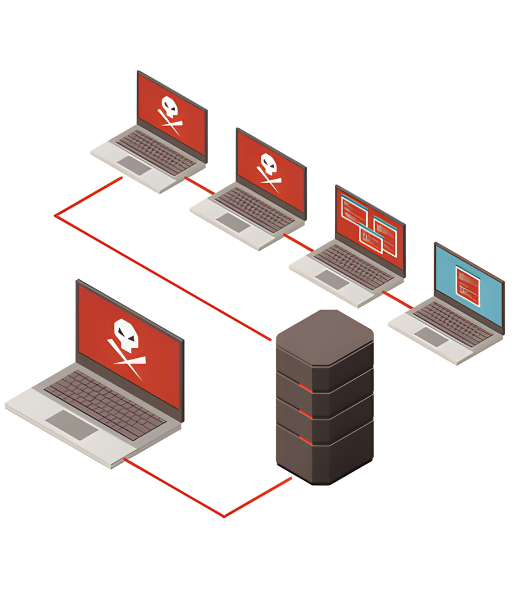

Comprehensive OS and Network Security Evaluation

Enhance system security by configuring SELinux, disabling unused services, and enforcing stringent access controls to prevent unauthorized access and potential attacks.

Implement Windows system hardening by configuring Group Policies, enabling BitLocker, applying security updates, and establishing audit policies to monitor and mitigate security threats.

Configure firewalls to prevent unauthorized access, implement network segmentation, and apply advanced filtering to secure the network perimeter from internal and external threats.

Strengthen endpoint security by implementing antivirus and anti-malware tools, enforcing device encryption, and applying stringent access controls to safeguard endpoints.

Hardening Test Cases

Identifies Vulnerable and Outdated Components from OS and Network.

OS Vulnerability Assessment
Network Vulnerability Assessment

Identifies and follows Standards and Best Practices to ensure system hardening.

Network Hardening
Device Security

Identify security gaps that can lead to unauthorised access.

Internal Penetration Test
External Penetration Test

Benefits of Our OS and Network Hardening Services

Enhanced System Security

Apply comprehensive OS hardening and network security measures to minimize risks of unauthorized access and data breaches.

Improved System Performance

During OS hardening, eliminate redundant services and applications to enhance security posture and optimize system performance.

Regulatory Compliance

Implement regulatory compliance measures across operating systems, networks, and systems to mitigate risks of fines and legal liabilities.

Reduced Attack Surface

Meticulous OS and network configuration minimizes vulnerabilities and fortifies your organization’s security posture.

Why Network Hardening Matters

Numerous functions and services that are available in modern operating systems are superfluous for everyday use.

Best Practices for OS Network Hardening:

  • icon Implement the principle of least privilege.
  • icon Document and baseline configurations.
  • icon Regularly audit and test hardened systems.
  • icon Use configuration management tools

OS Network Hardening Essentials

Service Reduction
Turn off all non-essential network services to minimize potential entry points.
Limit Port Access
Close all unused ports with firewalls to block unauthorized access.
Use Secure Protocols
Replace outdated protocols with encrypted alternatives to safeguard data in transit.
Configure Firewall
Set strict, default-deny firewall policies allowing only trusted traffic.
Automate Updates
Regularly apply patches and updates to fix known vulnerabilities.
Audit Network Logs
Continuously log and review network events to detect suspicious behavior early.

Key Components of OS Network Hardening

  • icon Disable Unused Network Services
  • icon Close Unnecessary Ports
  • icon Enforce Secure Network Protocols
  • icon Configure Firewalls and Packet Filters
  • icon Apply System and Security Updates
  • icon Use Network Intrusion Detection
  • icon Enable Logging and Monitoring

Our OS and Network Hardening Services

Q. Operating System Hardening
A.

Our specialized OS hardening services for platforms including Linux involve system configuration, security patching, and removal of unnecessary services to strengthen system security.

A.

Implement stringent access controls, firmware updates, and network traffic monitoring to secure network operating systems and prevent unauthorized activity.

A.

Conduct thorough audits of operating system and network configurations to ensure compliance with industry standards and best practices, identifying and resolving security gaps.

A.

Our services provide continuous monitoring of operating systems and network environments to promptly identify and address emerging threats, ensuring system integrity and security.

Reporting Standard

Our reports are aligned with industry standards, delivering clear, actionable
insights to strengthen thick client application security.

Secure Your Data with Confidence

Avoid allowing incorrect setups to jeopardise your private information. Your protection mechanisms are aligned, optimised, and effective thanks to our DLP Software Configuration Audit. We assist you in filling up the holes before adversaries discover them, whether you're optimising current configurations or getting ready for compliance.

Get in touch with us right now to improve the efficiency of your DLP and safeguard your data.

Get Started Today