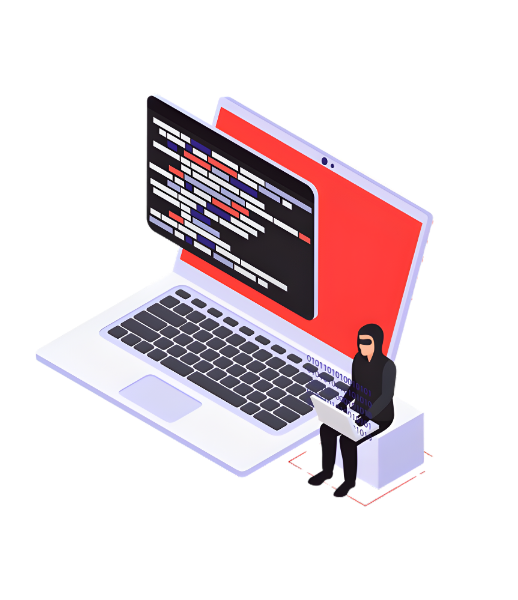

IT System Hardening & Testing

Securing the Digital Backbone

In today’s rapidly evolving threat landscape, organizations must go beyond basic security measures. System hardening and security testing are critical strategies to minimize vulnerabilities and ensure the reliability of IT infrastructure. Together, they form the foundation of a robust cybersecurity posture.
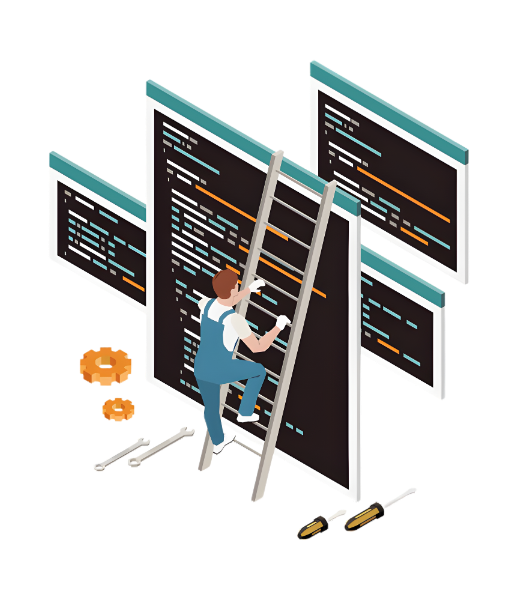

What is IT System Hardening?

System hardening is the process of securing systems by reducing their attack surface. This involves configuring systems to eliminate unnecessary services, applying security patches, and enforcing strict access controls.

  • icon Remove unnecessary software and services
  • icon Close unused ports
  • icon Disable default accounts or change credentials
  • icon Apply the principle of least privilege
  • icon Enforce strong password policies
  • icon Regularly patch operating systems

Essential Steps to Secure Your IT Infrastructure

Minimize Attack Surface

Remove unnecessary services, ports, and applications to reduce vulnerabilities.

Regular Patch Management

Apply security updates and patches promptly to fix known flaws.

Enforce Access Control

Use strong authentication and least privilege to control user access.

Security Testing & Scanning

Conduct regular vulnerability scans and penetration tests to find weaknesses.

Configuration Audits

Validate system settings against security benchmarks and compliance standards.

Continuous Monitoring

Monitor logs and system behavior for anomalies and unauthorized activity.

Benefits of Hardening & Testing

  • icon Reduced attack surface
  • icon Improved system performance
  • icon Compliance with security standards
  • icon Lower likelihood of data breaches
  • icon Increased confidence in IT infrastructure

The Role of Hardening & Testing in IT Resilience

IT System Hardening and Testing are not just best practices they are essential steps toward building secure, resilient systems. By proactively addressing vulnerabilities and validating defenses, organizations can defend against attacks, ensure uptime, and build trust with stakeholders.

Get Started Today